
What Makes Aluminum Framing Material a Smart Choice for Modern Construction Projects?

There are several factors that go into determining which framing material to use in a particular construction project. It is not a matter of finding something cheap to cut costs. The material has to be able to withstand use, weather, and the demands of the structure. This is where aluminum framing material can come in handy for many manufacturers and contractors. Aluminum is a good choice for strength and lightness, plus its abilities to resist corrosion. It is also good in projects that require very precise fitting parts to go together. Whether for equipment frames, partitions, display systems, or industrial workstations, the framing material should be able to withstand use, and a bad choice can be expensive to replace.
What Is Aluminum Framing Material?
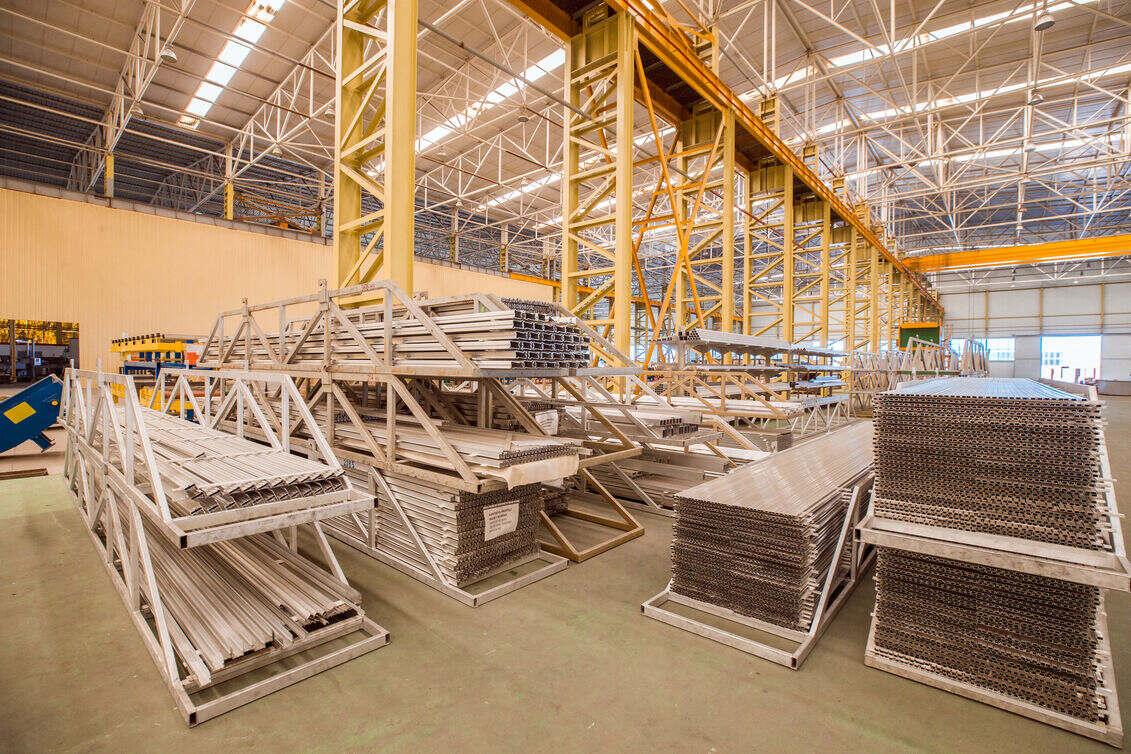
Aluminum framing material is basically aluminum sections, bars, or profiles used to make frames and supporting structures. Modern framing mostly makes use of extruded aluminum profiles. Extrusion is a manufacturing process where the aluminum is heated and forced through a die to make a particular profile. Some of these profiles have grooves and channels that allow brackets, fasteners, panels, and other fittings to be attached. Some systems make use of standard measurements to make it easy to put together without having to make new parts from scratch, saving a lot of time. This material is largely used in industrial equipment, machinery guards, workbenches, retail displays, and modular structures. The applications are diverse and are largely determined by the profile, the alloy, and the loads that it will have to bear.
How Strong Is Aluminum Compared With Other Framing Materials?
Strength is a key determinant of any frame structure, and the aluminum alloy has to be chosen to suit any given application. Although strong for its weight, aluminum is not as strong as steel. The latter has better load-bearing abilities and can offer more stiffness in a given cross-section. Aluminum structures will also tend to be lighter than comparable steel structures. Other factors that come into play are the profiles used, the wall thickness of the profile, and the support the frame will have. A well-made aluminum frame can also withstand good loads without being too heavy. However, there are still things that need to be taken into consideration. The intended use and the loads on the frame should be taken into account before deciding on a profile.
Why Is Aluminum Framing Useful for Modular Projects?
Modular building systems are basically buildings or structures made up of separate components. In other words, each module is connected to the other to make up the whole structure. Aluminum profiles lend themselves well to modular structures. This is because some systems offer great ease and flexibility when it comes to assembly and adjustment. There is no need for welding up every connection, and there are compatible fasteners and brackets to connect different pieces. If a given workstation needs to be adjusted to be a little wider or if a given machine needs more panels on its guard, adjustments can be made without having to redo the whole thing. This is especially useful in industrial factories, laboratories, warehouses, and manufacturing plants. It can even help with the maintenance of equipment. A modular aluminum frame is more flexible than one built to size and should last longer, especially in cases where the future use is uncertain.
Does Aluminum Framing Material Resist Rust and Corrosion?
Corrosion resistance is another aspect that has to be considered. Unlike common steel, aluminum does not corrode in the same way it does. It does have some natural protection mechanisms, in the form of an oxide layer on the surface. This makes it a good choice in applications that may see frequent cleaning and exposure to moisture. However, this does not mean that it cannot corrode. There are special conditions that have to be met for this to happen, and it is possible for chemical solutions, saltwater, and dissimilar metals to cause corrosion on aluminum. Protective finishes can also help in difficult conditions. When considering corrosion resistance, it comes down to the application and the environment. A good choice of alloy, surface treatment, and accessories can help a framing system last longer.
How Easy Is Aluminum Framing to Install and Maintain?
Installation speed can impact the overall cost of a given project, and aluminum profiles are mostly easy to set up. These lightweight profiles make use of mechanical connections, and most of them do not require special machinery or expertise. Installation is generally faster than other steel structures that may require welding, grinding, and repainting when there is damage. These are especially good for projects that require large numbers of structures or frames or for those that may need to be disassembled and reinstalled at a different location. Maintenance is also relatively simple. Damaged fittings can be replaced as needed, and profiles can even be reused if their design allows for it. While being simple to put together, aluminum structures do require proper assembly. Large structures generally need more care in order to ensure that the connections and fittings are good enough for the intended use.
Where Are Aluminum Framing Systems Commonly Used?
Aluminum framing has a variety of uses in almost every aspect of the industry. In manufacturing, it is largely used in manufacturing machinery equipment enclosures, workstations, conveyor systems, and machine guards. In warehousing, aluminum profiles are used in storage structures, equipment stands, workbenches, and other structures. In commercial applications, the same profiles are used in display systems, signage, partitions, and retail fixtures. In automation, it is used in automated systems, including mounting equipment, sensors, and cables. In architecture, aluminum framing is used in doors, windows, and other structures, although this may require custom profiles to do so. There are many applications for these profiles, but there are specific requirements for every application. The same profile that is used for a display system is not suitable for industrial machinery.
What Should You Consider Before Choosing Aluminum Profiles?
The profile is only part of the consideration when choosing a framing structure. The first step is to determine the loads it will have to bear and determine if they are static or dynamic. The next step is to determine the overall dimensions, fittings, and the space available on site. Deflection is also as important as the breaking point or ultimate strength. The frame should be able to withstand bending, since this can lead to misalignment and put stress on the structures around it. The environmental conditions should also be taken into consideration. The overall cost of a given system is important and should be compared to a steel system. The overall project cost should be evaluated alongside the maintenance and expansion costs. Simply put, the cheapest option is not always the most cost-effective option.
Is Aluminum Framing Worth the Investment?
Aluminum framing makes for a good investment when the application dictates a need for such material. Although the cost can be steeper than some basic materials, the installation speed and ease of maintenance can prove cost-effective in the long run. Some applications lend themselves more to the use of aluminum frames, for instance, in projects that require frequent adjustments. There are also applications where steel or another material is a better choice. There are limitations on what aluminum profiles can do, especially in terms of load-bearing. In addition, some environmental conditions are harder to withstand and may require a different material or extra precautions. Making the choice of a material depends largely on the project at hand, and a comparison of the options can make it easier to get the best value for the budget.
Conclusion: Choose the Right Framing Material for Your Project
A good framing system should make things easier in the long run. The right material should be chosen to accommodate potential adjustments and to make maintenance easier. Aluminum is a good choice in terms of strength, lightness, resistance to corrosion, and flexibility in modular building systems. It is useful in manufacturing workstations, machine enclosures, commercial display systems, and other applications. MiniTec Solutions offers aluminum framing solutions for various industrial needs. However, it is not a universal solution and should only be considered if it fits the application. The intended use, dimensions, fittings, and environmental conditions should be taken into consideration before choosing this material. A good aluminum framework should be able to offer the right support without being unnecessarily heavy and should not require extensive maintenance. A good comparison of the available options can make it easier to choose the best material.
Frequently Asked Questions
What Are the Main Benefits of Aluminum Framing Material?
The main benefits of aluminum framing are its light weight, resistance to corrosion, ease of installation, and flexibility. In addition, some of these products can be easily adapted and expanded.
Is Aluminum Framing Stronger Than Steel Framing?
Aluminum alloys are generally weaker than steel ones. This means that steel structures are generally heavier but stiffer. In addition, the right profile can make a big difference in strength and load-bearing capabilities.