
Industrial Jumbo Bag Filling Machines: Complete Guide to Bulk Material Packaging Solutions for High-Volume Operations
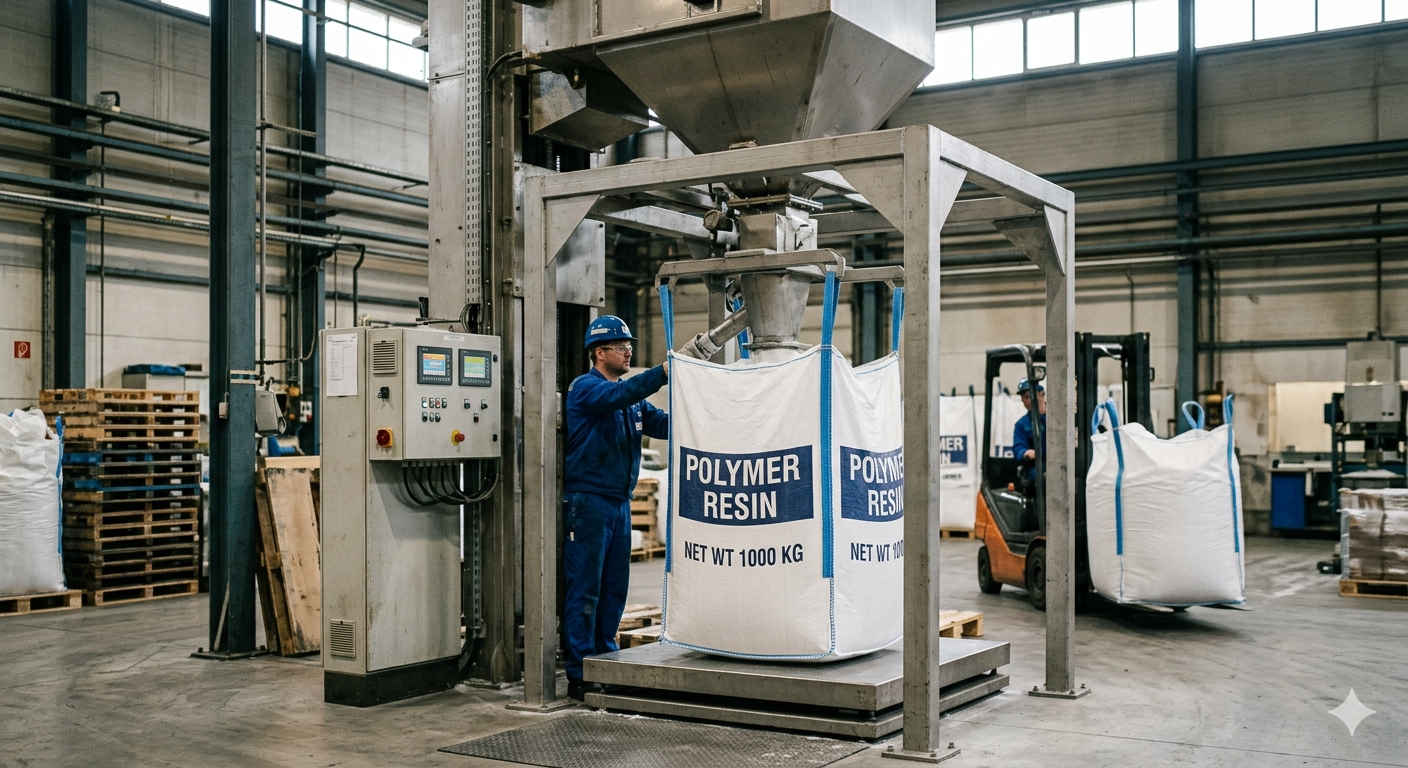
In the world of industrial bulk material handling, efficiency and precision are paramount. As manufacturing facilities and distribution centers continue to scale their operations, the demand for reliable automated packaging solutions has never been higher. Advanced jumbo bag filling machines represent a critical investment for businesses handling powdered, granular, or bulk materials across diverse industries—from construction materials and agricultural products to chemicals and food ingredients.
Coordinating these systems within a production facility requires careful planning of material flow, storage capacity, and scheduling to maximize overall packaging efficiency. Reliable manufacturer of packaging machine providers offer comprehensive solutions that include both technologies with compatible control systems and material handling infrastructure.
Integration with Other Packaging Systems and Equipment
A comprehensive packaging line often incorporates multiple technologies working together. Jumbo bag filling machines frequently integrate with:
Paper Valve Bag Filling Machine: Many facilities operate both jumbo bag filling systems and paper valve bag filling machines to accommodate different customer requirements and order sizes. While jumbo bags handle bulk shipments of 500-2000 kg, modern paper valve bag filling machines efficiently package smaller quantities (typically 10-50 kg) suitable for retail distribution or customers requiring smaller volumes. This dual capability provides market flexibility and optimizes packaging costs based on order size.
Palletizing and Stretch Wrapping Equipment: Filled jumbo bags require proper palletization and securing for transportation. Automated palletizers position bags on pallets, while stretch wrapping or strapping systems secure loads for shipment.
Conveying and Material Transfer Systems: Efficient material flow from storage silos or hoppers to filling stations requires properly designed conveying systems that maintain product quality while ensuring consistent feed rates to filling machines.
Labeling and Marking Systems: Automated label application and inkjet or laser marking systems apply required product information, batch codes, and traceability data to filled bags before they enter the warehousing or shipping process.
Understanding Jumbo Bag Filling Technology and Its Industrial Applications
A jumbo bag filling machine, also known as a big bag filling system or FIBC (Flexible Intermediate Bulk Container) filling equipment, is specialized industrial machinery designed to efficiently fill large capacity bags with bulk materials ranging from 500 kg to 2000 kg or more. These sophisticated systems combine precision weighing technology, automated filling mechanisms, and material handling capabilities to streamline the bulk packaging process while maintaining product integrity and workplace safety.
The evolution of bag filling technology has transformed how industries approach bulk material packaging. Traditional manual filling methods are labor-intensive, time-consuming, and prone to inconsistencies that can impact product quality and profitability. Modern jumbo bag filling machines eliminate these challenges by offering automated solutions that ensure accurate weight measurements, minimize product waste, and significantly increase packaging throughput.
Core Components and Technical Architecture of Big Bag Filling Systems
Understanding the technical composition of jumbo bag filling machines helps businesses make informed purchasing decisions. A comprehensive filling system typically integrates several critical components working in harmony:
Weighing and Dosing Systems: At the heart of every efficient jumbo bag filling machine lies a precision weighing platform, often utilizing load cells or weighbridges that provide real-time weight feedback. Advanced systems incorporate multi-stage filling algorithms—employing fast fill, dribble fill, and final topping sequences—to achieve target weights with exceptional accuracy, typically within ±0.1% to ±0.5% tolerance levels. This precision is essential for maintaining product consistency and compliance with industry regulations.
Material Handling and Feed Mechanisms: The material feeding system varies based on product characteristics. Screw conveyors work excellently for fine powders and granular materials, while pneumatic conveying systems suit lighter, free-flowing products. Belt conveyors and bucket elevators handle coarser materials effectively. The selection of appropriate feeding mechanisms directly impacts filling speed, product degradation, and overall system efficiency.
Bag Inflation and Support Infrastructure: Proper bag positioning and support are crucial for successful filling operations. Modern systems feature pneumatic bag inflation systems that pre-expand the FIBC before filling begins, eliminating wrinkles and ensuring uniform material distribution. Adjustable bag support frames accommodate various bag sizes and designs, from standard square FIBCs to specialized conical or U-panel configurations.
Dust Collection and Environmental Control: Filling operations involving powdered materials generate airborne dust that poses health risks and product loss. Integrated dust collection systems with pulse-jet baghouse filters or cyclone separators capture particulates during the filling process, maintaining clean working environments while recovering valuable product. This feature is particularly important when handling hazardous materials or food-grade ingredients requiring stringent hygiene standards.
Control Systems and Automation: Contemporary jumbo bag filling machines incorporate programmable logic controllers (PLCs) with intuitive human-machine interfaces (HMIs) that enable operators to configure filling parameters, monitor real-time performance metrics, and store multiple product recipes. Advanced systems offer remote monitoring capabilities, predictive maintenance alerts, and integration with enterprise resource planning (ERP) systems for seamless production management.
Types of Jumbo Bag Filling Machines and Configuration Options
The market offers diverse jumbo bag filling machine configurations tailored to specific operational requirements and material characteristics:
Open Mouth Filling Systems: These versatile machines handle standard open-top FIBCs and represent the most common configuration across industries. The bag is secured to the filling spout, inflated, and filled through gravity or pneumatic assistance. Open mouth systems are ideal for free-flowing materials like grains, pellets, and plastic resins.
Closed System Filling Equipment: For materials sensitive to contamination or requiring dust-free environments, closed filling systems provide sealed connections between the filling spout and bag inlet. These systems are essential in pharmaceutical manufacturing, food processing, and chemical handling where product purity cannot be compromised.
Form-Fill-Seal Integrated Solutions: Advanced facilities implement form-fill-seal systems that automate the entire packaging cycle—forming the bag from tubular film, filling it with product, and sealing it in one continuous operation. This configuration maximizes efficiency while reducing labor costs and consumable expenses.
Mobile and Stationary Installations: Depending on facility layout and production flexibility requirements, jumbo bag filling machines are available in fixed installations integrated into production lines or mobile units mounted on wheels or rails that can service multiple filling stations.
Industries and Applications Driving Jumbo Bag Filling Machine Adoption
The versatility of big bag filling technology has led to widespread adoption across numerous sectors:
Construction and Building Materials: Cement, sand, aggregates, gypsum, and ready-mix concrete ingredients are routinely packaged in jumbo bags. The construction industry values the efficiency of handling 1-2 ton bags compared to multiple smaller units, reducing transportation costs and loading times at construction sites.
Agricultural and Food Processing: Seeds, grains, animal feed, fertilizers, sugar, flour, and dehydrated food products benefit from bulk bag packaging. Food-grade filling systems meet stringent sanitary standards with stainless steel construction, easy-clean designs, and compliance with FDA and USDA regulations.
Chemical and Pharmaceutical Manufacturing: Powdered chemicals, plastic resins, pharmaceutical intermediates, and active ingredients require specialized filling equipment that prevents cross-contamination and ensures operator safety when handling hazardous materials. Explosion-proof designs and inert gas purging systems address specific safety requirements.
Mining and Minerals: Ores, concentrates, minerals, and metallurgical powders are efficiently packaged in FIBCs for transportation to processing facilities or export markets. The robustness of jumbo bag filling machines suits harsh mining environments.
Recycling and Waste Management: Plastic flakes, rubber crumb, metal powders, and recycled materials are increasingly packaged in bulk bags, with filling systems designed to handle irregular particle sizes and abrasive materials.
Key Advantages and Business Benefits of Automated Jumbo Bag Filling
Investing in quality jumbo bag filling equipment delivers substantial operational and financial benefits:
Labor Efficiency and Cost Reduction: Automated filling systems typically require just one or two operators compared to teams needed for manual filling operations. This labor reduction translates directly to lower operational costs while addressing workforce shortages affecting many industries.
Improved Accuracy and Reduced Product Giveaway: Manual filling methods often result in overfilling to ensure minimum weight requirements are met, leading to significant product giveaway costs over time. Precision weighing systems eliminate this waste by consistently achieving target weights within tight tolerances.
Enhanced Production Throughput: Modern jumbo bag filling machines achieve filling cycles ranging from 20 to 60 bags per hour depending on product characteristics and target weights—far exceeding manual capabilities. This increased throughput enables businesses to fulfill larger orders and respond quickly to market demands.
Superior Product Quality and Consistency: Automated systems maintain consistent filling parameters across all bags, eliminating variations that occur with manual operations. This consistency is crucial for maintaining brand reputation and customer satisfaction.
Workplace Safety Improvements: Reducing manual handling of heavy materials minimizes risks of workplace injuries, including musculoskeletal disorders and accidents associated with material handling. Dust collection systems further protect worker health by eliminating exposure to airborne particulates.
Traceability and Quality Documentation: Integrated control systems automatically record filling data including bag weights, filling times, batch numbers, and operator information. This documentation supports quality management systems, regulatory compliance, and customer traceability requirements.
Selecting the Right Jumbo Bag Filling Machine: Critical Evaluation Criteria
Choosing appropriate filling equipment requires careful assessment of multiple factors:
Material Characteristics Analysis: Powder flowability, particle size distribution, bulk density, moisture content, and abrasiveness all influence equipment selection. Free-flowing materials like plastic pellets require different handling than cohesive powders like cement or flour.
Production Capacity Requirements: Accurately forecasting required throughput based on current and projected production volumes ensures equipment sizing meets business needs without over-investing in unnecessary capacity.
Bag Size and Format Flexibility: Consider whether operations require filling various bag sizes or specialized FIBC designs. Equipment with adjustable height and bag support systems provides operational flexibility.
Accuracy and Tolerance Requirements: Different industries have varying accuracy requirements. Commodity materials may accept ±1% tolerances, while pharmaceutical or food ingredients often require ±0.2% or tighter.
Available Floor Space and Facility Integration: Equipment footprint, ceiling height requirements, and integration with existing production infrastructure influence machine selection and configuration.
Operational Environment: Temperature extremes, humidity, corrosive atmospheres, or explosion-risk zones require specialized equipment designs with appropriate protection ratings and certifications.
Regulatory Compliance Needs: Food processing requires FDA-compliant, sanitary designs. Pharmaceutical applications need cGMP compliance. Hazardous materials handling demands ATEX or FM certification for explosion protection.
Working with a Trusted Manufacturer of Packaging Machine Equipment
Partnering with an experienced manufacturer of packaging machine solutions provides critical advantages beyond simply acquiring equipment. Reputable manufacturers offer:
Application Engineering Support: Experienced engineers analyze your specific material characteristics and operational requirements to recommend optimally configured systems rather than generic solutions.
Customization Capabilities: While standard equipment serves many applications, unique requirements often benefit from custom engineering. Established manufacturers have the expertise and resources to develop specialized solutions.
Comprehensive After-Sales Support: Ongoing technical support, spare parts availability, preventive maintenance programs, and operator training ensure long-term equipment reliability and optimal performance.
Industry Experience and References: Manufacturers with proven track records in your industry understand specific challenges and regulatory requirements, reducing implementation risks.
Technology and Innovation: Leading manufacturers continuously invest in research and development, ensuring their equipment incorporates the latest technological advances in automation, control systems, and material handling.
Maintenance Requirements and Operational Best Practices
Maximizing jumbo bag filling machine longevity and performance requires structured maintenance programs:
Daily Operational Checks: Operators should conduct pre-shift inspections including verification of weighing system zero calibration, checking pneumatic connections, inspecting bag support mechanisms, and testing emergency stops.
Periodic Calibration: Weighing systems require regular calibration verification using certified test weights to maintain accuracy. Frequency depends on production volumes and regulatory requirements—typically ranging from weekly to quarterly.
Preventive Maintenance Schedules: Following manufacturer-recommended maintenance intervals for lubrication, filter replacement, pneumatic component inspection, and wear part evaluation prevents unexpected downtime and extends equipment life.
Operator Training Programs: Properly trained operators recognize early warning signs of equipment issues, understand optimal operating procedures, and can perform basic troubleshooting—significantly reducing downtime and maintenance costs.
Documentation and Record Keeping: Maintaining detailed logs of maintenance activities, calibration results, and performance metrics supports compliance requirements and helps identify trends that indicate emerging equipment issues.
Future Trends in Jumbo Bag Filling Technology
The packaging equipment industry continues evolving with several emerging trends:
Industry 4.0 Integration: Smart sensors, IoT connectivity, and cloud-based analytics enable predictive maintenance, remote monitoring, and data-driven optimization of filling operations.
Sustainability Initiatives: Equipment designs increasingly focus on energy efficiency, reduced compressed air consumption, and compatibility with recyclable packaging materials as industries pursue environmental goals.
Enhanced Automation and Robotics: Collaborative robots (cobots) are being integrated into filling lines for bag placement, spout connection, and removal of filled bags—further reducing labor requirements.
Improved Flexibility: Modular designs and quick-changeover capabilities allow single machines to efficiently handle broader product ranges with minimal downtime between changeovers.
Conclusion: Investing in Jumbo Bag Filling Excellence
Selecting and implementing the right jumbo bag filling machine represents a strategic investment that impacts operational efficiency, product quality, and bottom-line profitability for years to come. Whether you're packaging construction materials, agricultural products, chemicals, or food ingredients, modern big bag filling technology offers the precision, speed, and reliability that today's competitive markets demand.
The key to successful implementation lies in thorough analysis of your specific requirements, partnering with a reputable manufacturer of packaging machine solutions who understands your industry, and committing to proper operator training and maintenance programs. As production demands continue growing and labor markets tighten, the efficiency advantages of automated filling systems become increasingly compelling.
For businesses considering both bulk and smaller-volume packaging solutions, integrating jumbo bag filling capabilities with complementary technologies like paper valve bag filling machine systems provides comprehensive market coverage and operational flexibility. This multi-scale packaging approach enables businesses to serve diverse customer segments efficiently while optimizing packaging costs based on order size and distribution requirements.
By embracing advanced jumbo bag filling technology and establishing strong partnerships with experienced equipment manufacturers, businesses position themselves for sustainable growth, operational excellence, and competitive advantage in increasingly demanding industrial markets. The transition from manual to automated bulk packaging isn't just about acquiring equipment—it's about transforming your packaging operations into a strategic asset that drives business success.

 English
 Arabic
 Français
 Português
 Deutsch
 Türkçe
 Dutch
Dutch
 Italiano
 Russian
 Romaian
 Portuguese (Brazil)
 Greek
Greek