
Comprehensive Fire Safety Protection: Your Complete Guide to Professional Fire Alarm Services in Toronto
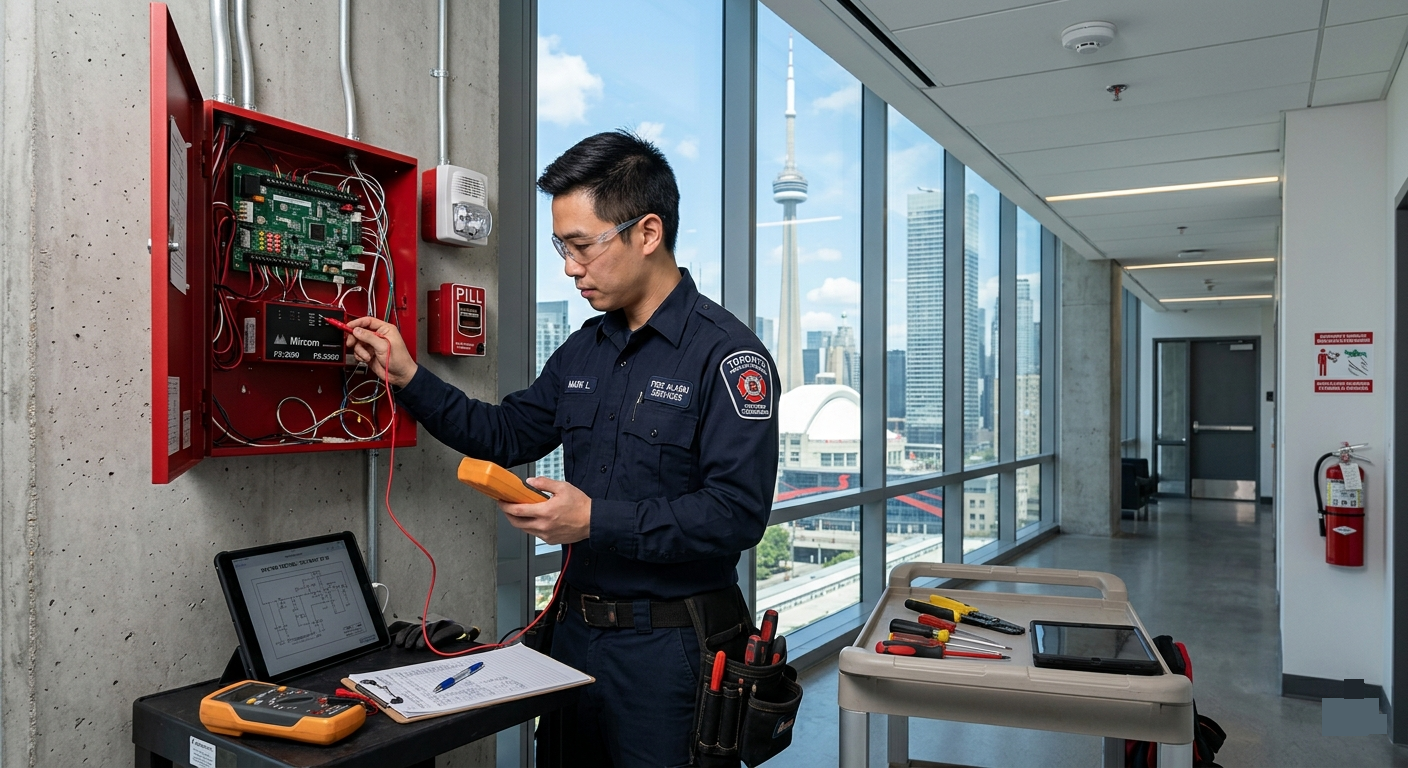
When seconds matter between safety and catastrophe, your fire alarm system serves as your building's first line of defense. In Toronto's densely populated urban landscape, where residential towers, commercial complexes, and industrial facilities stand shoulder to shoulder, maintaining a fully functional fire detection system isn't just about compliance—it's about protecting lives, preserving property, and ensuring business continuity. Professional fire alarm service in Toronto encompasses far more than emergency repairs.
Regional Considerations: Fire Alarm Service in Brampton and the Greater Toronto Area
While Toronto serves as the region's urban core, surrounding municipalities like Brampton present their own fire protection landscape with distinct characteristics. Brampton's rapid growth has created diverse building stock ranging from newly constructed residential subdivisions to established commercial districts and expanding industrial areas.
Reliable fire alarm service in Brampton follows Ontario Fire Code requirements similar to Toronto but with municipal variations reflecting local building characteristics and Fire Services priorities. Brampton's significant warehouse and distribution center presence requires particular expertise with large-area detection systems, high-ceiling installations, and integration with sophisticated material handling equipment.
Service providers operating across the Greater Toronto Area understand regional regulatory variations, maintain relationships with different municipal fire services, and adapt their approaches to local conditions. Whether protecting property in Toronto's downtown core, Brampton's industrial parks, or residential communities throughout the region, professional fire alarm companies deliver consistent quality while addressing location-specific requirements.
Understanding the Critical Role of Fire Alarm Systems in Urban Safety
Fire alarm systems have evolved far beyond simple smoke detectors that emit piercing sounds. Today's fire detection infrastructure represents sophisticated networks of interconnected devices, intelligent sensors, control panels, and emergency communication systems designed to identify threats at their earliest stages. These systems integrate seamlessly with building automation, sprinkler activation, emergency lighting, and evacuation protocols to create comprehensive fire protection ecosystems.
In Toronto's regulatory environment, governed by the Ontario Fire Code and enforced by Toronto Fire Services, property owners face strict requirements for fire alarm installation, maintenance, inspection, and testing. Whether you manage a single-family residence, a multi-unit apartment building, a retail establishment, or an industrial warehouse, your fire detection equipment must meet specific standards that vary based on occupancy classification, building height, square footage, and the nature of activities conducted within.
The Anatomy of Professional Fire Alarm Service: What Comprehensive Protection Entails
Professional fire alarm service encompasses far more than emergency repairs when something malfunctions. A complete service program includes regular inspections, preventive maintenance, system testing, component replacement, software updates, code compliance verification, and 24/7 emergency response capabilities.
Inspection and Testing Protocols
Ontario's fire safety regulations mandate specific inspection frequencies based on system type and building classification. Monthly testing typically covers basic functionality—verifying that alarm signals reach monitoring stations, testing audible and visual notification devices, and ensuring power supplies function correctly. Quarterly inspections dive deeper, examining detector sensitivity, battery backup systems, and control panel operations.
Annual comprehensive inspections represent the most thorough evaluation, involving complete system testing from end to end. Technicians verify every detector, pull station, notification appliance, and system interconnection. They measure detector sensitivity to ensure devices haven't drifted beyond acceptable parameters—a common issue as sensors age. They test battery backup duration, inspect wiring integrity, verify proper zones and addressing, and ensure all system components communicate correctly.
Preventive Maintenance: The Foundation of System Reliability
Fire alarm systems operate continuously, monitoring conditions 24 hours daily, 365 days yearly. This constant operation means components experience wear, environmental contamination, and gradual degradation. Preventive maintenance addresses these issues before they cause system failures.
Professional technicians clean smoke detector chambers, removing accumulated dust, insects, and airborne particles that can trigger false alarms or reduce sensitivity. They inspect and clean heat detectors, verify proper operation of duct detectors in HVAC systems, and test air sampling systems that provide earliest possible warning in sensitive environments.
Control panels receive thorough examination—technicians verify proper programming, test communication paths to monitoring stations, inspect circuit boards for signs of corrosion or component failure, and ensure backup batteries maintain proper charge and capacity. They also verify that system documentation remains current, reflecting any building modifications, tenant changes, or equipment updates.
Emergency Response and Repair Services
Despite best maintenance practices, fire alarm systems occasionally experience unexpected failures. Lightning strikes, power surges, water damage, vandalism, and component end-of-life can cause sudden malfunctions. When these situations arise, immediate professional response becomes critical.
Quality fire alarm service providers maintain emergency response capabilities, dispatching licensed technicians to diagnose problems, implement temporary solutions if necessary, and execute permanent repairs. They stock commonly needed replacement parts, maintain relationships with equipment manufacturers for rapid component procurement, and possess the expertise to work with diverse system brands and technologies.
Navigating Toronto's Fire Safety Regulatory Landscape
Toronto's fire alarm requirements stem from multiple regulatory sources that work together to establish comprehensive safety standards. The Ontario Fire Code provides provincial baseline requirements, while Toronto Municipal Code adds city-specific provisions. The Ontario Building Code establishes requirements for new construction and major renovations, and the Electrical Safety Code governs installation practices.
These regulations specify not only what fire protection equipment buildings must have but also how it must be maintained, tested, and documented. Property owners must retain inspection records, maintain logbooks documenting all system activities, and make these records available for Fire Services inspection.
Non-compliance carries serious consequences. Toronto Fire Services conducts inspections and issues orders to comply when deficiencies are discovered. Failure to address violations can result in prosecution, substantial fines, and in extreme cases, building occupancy restrictions. Insurance companies also examine fire safety compliance when underwriting policies and processing claims—inadequate fire alarm service can void coverage or substantially increase premiums.
Technology Evolution: Modern Fire Detection Systems
Fire alarm technology has advanced dramatically in recent decades, transitioning from conventional systems with limited capabilities to intelligent, networked platforms offering unprecedented detection accuracy and operational flexibility.
Conventional vs. Addressable Systems
Conventional fire alarm systems divide buildings into zones, with multiple detectors wired together on shared circuits. When a device activates, the control panel indicates which zone triggered but cannot identify the specific detector. This limitation complicates investigation and slows emergency response.
Addressable systems assign unique identifiers to every device, allowing control panels to pinpoint exactly which detector activated. This precision enables faster response, simplifies troubleshooting, and supports sophisticated programming options. Addressable technology also facilitates device-level monitoring—the system continuously verifies each detector's operational status and reports specific failures rather than generic circuit faults.
Wireless and Hybrid Solutions
Traditional fire alarm installations require extensive conduit and wire runs, making installation disruptive and expensive, especially in existing buildings. Wireless fire detection technology eliminates much of this infrastructure, using radio communication between devices and control panels.
Wireless systems prove particularly valuable during renovations, in historical buildings where preserving architectural features matters, in facilities where production interruptions must be minimized, and for temporary protection during construction. Hybrid approaches combine wired backbone infrastructure with wireless devices where running cable proves impractical.
Intelligent Detection and Analytics
Modern fire alarm systems incorporate sophisticated algorithms that analyze multiple parameters simultaneously, dramatically reducing false alarms while improving genuine fire detection. Multi-sensor detectors combine smoke detection with heat sensing, carbon monoxide monitoring, or other technologies, using intelligent processing to distinguish actual fire conditions from nuisance sources.
Advanced systems also provide predictive maintenance capabilities, monitoring device performance characteristics and warning when components approach end-of-life or require servicing. This proactive approach prevents unexpected failures and allows maintenance scheduling during convenient periods.
Specialized Fire Protection for Diverse Building Types
Different building types present unique fire protection challenges requiring specialized knowledge and tailored approaches.
High-Rise Residential Buildings
Toronto's skyline features numerous residential towers where fire safety presents particular complexity. Vertical fire spread, smoke migration through elevator shafts and stairwells, evacuation challenges, and the presence of vulnerable populations require sophisticated fire detection and alarm strategies.
High-rise fire alarm systems typically incorporate voice communication capabilities allowing firefighters to provide specific instructions to building occupants. They integrate with elevator recall systems, automatically bringing elevators to designated floors during alarms. They coordinate with smoke control systems that manage building pressurization to prevent smoke spread, and they provide firefighter control panels allowing emergency responders to manage system operations during incidents.
Commercial and Retail Facilities
Retail establishments, offices, and commercial buildings present distinct fire safety considerations. High occupant loads, diverse tenant uses, public access areas, and business continuity concerns require fire alarm systems that balance robust protection with minimal disruption.
These facilities often implement phased alarm systems—initial alarms alert staff to investigate while preparing for evacuation, then full general alarms sound if fire conditions are confirmed. This approach reduces unnecessary evacuations while maintaining safety.
Industrial and Manufacturing Facilities
Industrial environments frequently involve processes, materials, and conditions that generate dust, heat, humidity, or chemical exposures challenging to fire detection equipment. Standard smoke detectors may trigger false alarms from process emissions, while harsh environments can damage sensitive devices.
Industrial fire alarm service requires expertise with specialized detection technologies—beam detectors for large open areas, flame detectors for rapid fire detection in flammable liquid environments, aspirating systems providing earliest possible warning, and explosion-proof devices suitable for hazardous locations.
The Business Case: Why Quality Fire Alarm Service Delivers ROI
Viewing fire alarm service as merely a compliance expense overlooks substantial business value that professional protection provides.
Risk Mitigation and Loss Prevention
Fire events cause devastating financial impacts far beyond direct property damage. Business interruption losses, liability exposure, regulatory penalties, increased insurance premiums, and reputation damage can exceed physical destruction costs. Early fire detection and rapid response dramatically reduce these exposures.
Insurance companies recognize this value—many offer premium reductions for buildings with monitored fire alarm systems, sprinkler integration, and documented maintenance programs. These savings often substantially offset fire alarm service costs.
Operational Efficiency and Reduced False Alarms
False alarms waste emergency response resources, disrupt business operations, and create regulatory problems. Toronto Fire Services charges substantial fees for repeated false alarms, and chronic false alarm problems can result in delayed response when genuine emergencies occur.
Professional fire alarm service significantly reduces false alarms through proper detector placement, appropriate technology selection for each environment, regular cleaning and maintenance, and prompt attention to developing issues. The operational efficiency gains and avoided false alarm penalties provide tangible financial returns.
Asset Protection and System Longevity
Fire alarm systems represent significant capital investments. Professional service protects these investments by extending equipment lifespan, preventing premature failures, and ensuring systems deliver intended protection throughout their design life. Well-maintained fire detection equipment routinely operates reliably for 15-20 years or more, while neglected systems frequently require premature replacement.
Selecting the Right Fire Alarm Service Provider in Toronto
Choosing a fire alarm service company requires careful evaluation beyond simply comparing pricing. Several critical factors separate professional providers from inadequate alternatives.
Licensing, Certification, and Insurance
Ontario law requires fire alarm technicians to hold appropriate licenses issued by the Technical Standards and Safety Authority (TSSA). Reputable service providers employ licensed technicians, maintain current certifications from major equipment manufacturers, and carry comprehensive liability insurance and workers' compensation coverage.
Verify that prospective service providers can demonstrate these qualifications. Request copies of technician licenses, ask about manufacturer training and certifications, and confirm insurance coverage. Unlicensed work violates regulations, exposes property owners to liability, and often produces substandard results.
Experience with Your System Type and Building Class
Fire alarm systems vary dramatically in complexity, technology, and operational characteristics. A service provider experienced primarily with residential systems may lack expertise for sophisticated commercial installations. Similarly, technicians comfortable with one manufacturer's equipment may struggle with unfamiliar brands.
Seek providers with demonstrated experience serving buildings similar to yours, working with your specific system type, and addressing the particular challenges your facility presents. Request references from comparable clients and verify the provider's track record.
Response Time and Service Level Commitments
When fire alarm problems occur, rapid response often determines whether issues become emergencies. Quality service providers commit to specific response timeframes, maintain adequate staffing to meet these commitments, and provide 24/7 emergency availability.
Clarify service level expectations upfront. Understand guaranteed response times for emergencies versus routine service, ask about backup technician availability when primary personnel are unavailable, and verify after-hours contact procedures.
Comprehensive Service Capabilities
Fire protection encompasses interconnected systems—fire alarms, sprinklers, emergency lighting, exit signs, fire extinguishers, suppression systems, and emergency power supplies. Service providers offering integrated fire protection services provide significant advantages over those handling only fire alarms.
Comprehensive providers coordinate maintenance scheduling across all fire safety systems, identify integration issues that might compromise protection, and offer single-point responsibility for complete fire safety program management.
The Future of Fire Detection: Emerging Technologies and Trends
Fire alarm technology continues evolving, with several emerging trends promising to further enhance protection capabilities.
Cloud-Connected Systems and Remote Monitoring
Internet-connected fire alarm systems enable real-time remote monitoring, instant alert notification, and comprehensive system analytics. Building owners and managers can access system status from anywhere, receive immediate notification of alarms or troubles, and review historical data to identify patterns and optimize performance.
Cloud platforms also facilitate predictive maintenance by analyzing system performance data to identify developing issues before they cause failures. These capabilities promise to further improve reliability while reducing service costs.
Integration with Building Automation and Smart Building Systems
Modern buildings increasingly operate as integrated systems where fire alarms, HVAC, access control, lighting, and other functions communicate and coordinate. This integration enhances both fire safety and operational efficiency—fire alarms can automatically shut down air handling systems to prevent smoke spread, unlock exit doors, activate emergency lighting, recall elevators, and provide real-time occupancy information to emergency responders.
Advanced Materials and Sensor Technologies
Ongoing research continues improving fire detection sensors. New photoelectric sensing technologies offer improved smoke detection while resisting false alarms from environmental factors. Advanced heat detection responds faster to developing fires. Multi-criteria sensors combine more detection technologies to achieve unprecedented accuracy.
Conclusion: Investing in Professional Fire Alarm Service Means Investing in Safety
Fire protection represents a fundamental responsibility for anyone owning or managing property. The devastating consequences of fire—loss of life, property destruction, business closure, and community impact—demand serious attention to prevention, detection, and response capabilities.
Professional fire alarm service provides the foundation for effective fire protection. Regular inspections ensure systems remain functional. Preventive maintenance prevents unexpected failures. Prompt repairs restore protection when problems occur. Code compliance protects against regulatory consequences. And expert guidance helps navigate the complex fire safety landscape.
Whether you're responsible for a residential building, commercial facility, or industrial operation in Toronto, Brampton, or anywhere in the Greater Toronto Area, partnering with experienced fire alarm service professionals delivers peace of mind that your fire detection systems will perform when needed most. Don't wait for a fire alarm failure to discover the value of quality service—establish a comprehensive maintenance program today to protect what matters most.
The investment in professional fire alarm service pays dividends through enhanced safety, regulatory compliance, operational efficiency, reduced liability exposure, and protection of your property investment. When evaluating fire alarm service providers, look beyond pricing to consider experience, capabilities, responsiveness, and commitment to delivering protection you can trust. Your building's occupants, your business operations, and your property value all depend on fire detection systems that work reliably every single day—make certain you're providing them the professional service they deserve.

 English
 Arabic
 Français
 Español
 Português
 Deutsch
 Türkçe
 Dutch
Dutch
 Russian
 Romaian
 Portuguese (Brazil)
 Greek
Greek