
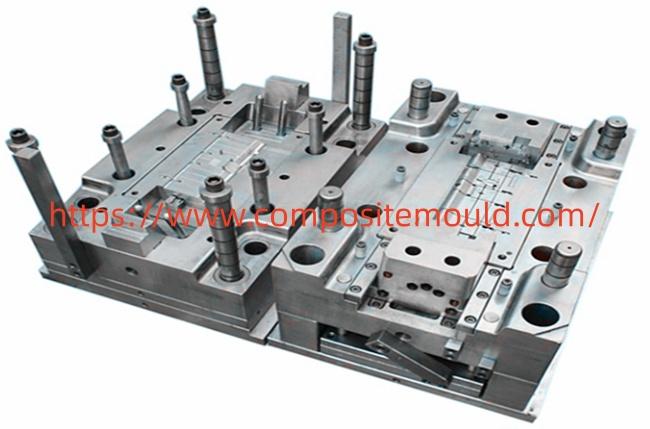

SMC Mould procurement requires a clear understanding of product design, material behavior, tooling requirements, and manufacturing objectives. For purchasing teams, the challenge is not simply selecting a mold based on dimensions or quotation. They also need to determine whether the proposed tooling can accommodate the part geometry, production equipment, surface expectations, and inspection requirements. Preparing these details before placing an order helps buyers communicate with manufacturers, assess technical proposals, and plan the project around practical production needs.
Prepare Complete Product Design Information
The first step is to prepare the latest product drawings and three-dimensional design files. These documents should identify overall dimensions, critical features, mounting points, wall sections, assembly interfaces, and required tolerances.
If certain details remain undecided, highlight them before requesting a quotation. Unclear requirements may affect tooling design, machining work, sampling arrangements, or later modifications.
It is also useful to explain the intended application. An enclosure for electrical equipment may have different requirements from an automotive component or an industrial cover. Sharing the operating environment and functional purpose helps the engineering team assess relevant design considerations at an early stage.
Confirm Material Compatibility
Sheet molding compound formulations can vary in fiber content, resin composition, fillers, shrinkage behavior, and processing requirements. These differences can influence material flow, curing behavior, surface appearance, and dimensional stability.
Buyers should provide the intended material grade and available technical data before the tooling design is finalized. If the material has not yet been selected, discuss the options with the relevant material supplier and manufacturing team.
Ask how the proposed tool structure will accommodate the selected formulation and expected processing conditions. This discussion can include temperature control, venting, charge placement, and release requirements.
Material compatibility should be treated as part of the engineering review rather than an assumption made after tooling production begins.
Review the Mold Structure and Press Requirements
Tool dimensions alone do not determine whether a mold is suitable for a production facility. Buyers should confirm the available press dimensions, clamping capacity, opening stroke, installation space, and relevant operating conditions.
The tooling proposal should also address the parting line, cavity layout, heating arrangement, venting strategy, and demolding method. Each feature has a role in supporting the intended manufacturing process.
For example, trapped air may contribute to surface defects or incomplete filling, while uneven temperature distribution can affect curing behavior. The appropriate design depends on the part geometry, material system, and production conditions.
Request an engineering review before authorizing machining. This provides an opportunity to discuss possible design changes while the project is still being planned.
Define Surface and Dimensional Expectations
Product appearance should be described in measurable or clearly documented terms. Words such as smooth or acceptable may be interpreted differently by different project teams.
Identify visible surfaces, hidden areas, critical edges, and regions that require particular attention. If painting, coating, bonding, or additional machining will follow molding, explain those requirements before the tooling design is approved.
Dimensional control deserves similar attention. Specify the important measurements, tolerances, reference points, and inspection methods. If the part must fit other components, identify the interfaces that require verification during sampling.
Clear requirements make it easier for the manufacturer and buyer to evaluate samples against the same agreed criteria.
Establish a Practical Trial and Approval Plan
Trial molding gives the project team an opportunity to assess tooling performance under actual processing conditions. Before the first trial, agree on which features will be inspected and how issues will be recorded.
The review may include part dimensions, surface appearance, filling behavior, flash, release marks, and functional fit. When a defect appears, the team should examine possible causes across product design, material selection, tooling structure, and process settings rather than assuming that one adjustment will solve every issue.
Document each finding, the proposed correction, and the method for checking the result. If modifications are required, schedule another evaluation to confirm whether they address the identified problem.
Written acceptance criteria help prevent disagreements about whether the sample is ready for approval.
Consider Maintenance and Long-Term Production
A tooling purchase should also account for its expected use after initial approval. Ask about access to cleaning areas, inspection points, replaceable components, and routine maintenance procedures.
Discuss which records will accompany the finished tool, including relevant drawings, operating guidance, material information, and maintenance recommendations. These documents help production personnel understand the equipment and support future troubleshooting.
If the design may change after market feedback, raise that possibility during the engineering stage. The feasibility and cost of later modifications can depend on the tool structure and the nature of the requested changes.
Planning for maintenance early gives buyers a clearer picture of the responsibilities associated with operating the tool over time.
Compare Quotations and Confirm Project Responsibilities
When reviewing quotations, compare the scope of work rather than the quoted amount alone. Check whether the proposal includes design review, tool manufacturing, surface finishing, trial molding, sample inspection, corrections, documentation, and delivery.
Confirm the expected schedule, payment milestones, tooling ownership, and responsibilities for supplying materials or production data. If the buyer will install the tool at another facility, clarify machine compatibility and the information required for setup.Before production begins, make sure both parties are working from the same approved drawings, specifications, and project schedule. For businesses planning a custom composite tooling project, compositemould provides a starting point for discussing design requirements and manufacturing arrangements. Review the available product information at https://www.compositemould.com/product/ and prepare your drawings, material details, target quantities, and application requirements for a more focused inquiry.