
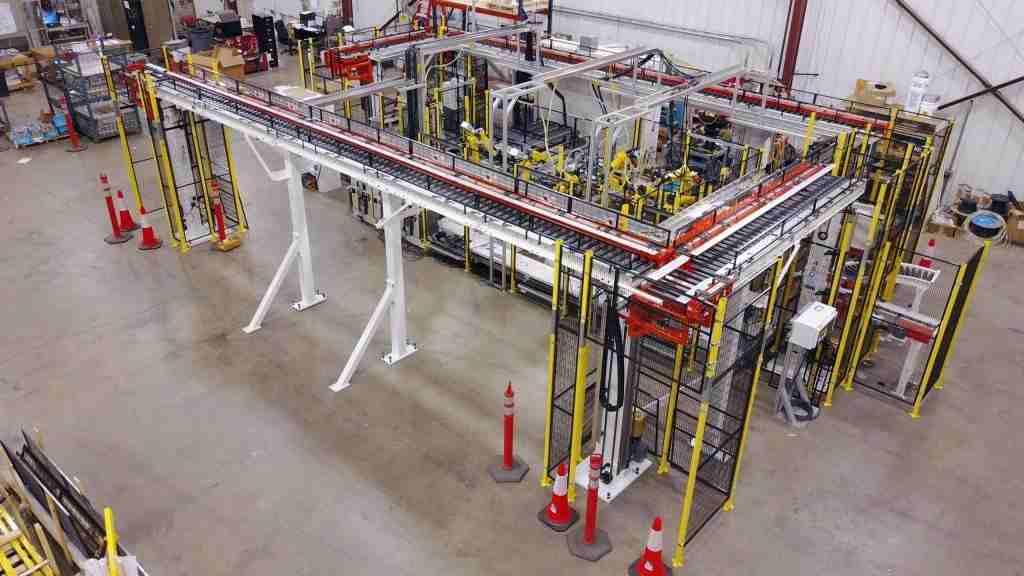

Walk through most machine shops and look at the spindles. Many sit idle for long stretches. The machines are running, operators are nearby, but nothing is being cut. In many job shops, CNC machines may be powered on for hours, yet actual cutting takes up only part of that time. The rest goes to setup, waiting, and minor delays. To reduce this downtime, shops are turning to automation and robots to handle repetitive tasks. They are also improving data accuracy to make machine movements, job scheduling, and production planning more reliable. These changes are helping manufacturers get more out of their CNC machining operations without adding more hours to the workday.
Why CNC Machines Sit Idle More Than You Think
Cutting feels like the easy bit. But it is not the whole job. First, a person puts the stock in place. Then they clamp it down. After that, the tool is set off, and the first piece runs. Next comes a check, and then chips get cleared from the fixture.
If the run is short, the machine often just sits there. It can wait more than it cuts. A part may take only four minutes to cut, but the total time can be about twelve minutes from start to finish. If a shop watches those extra eight minutes, they can get bigger wins than they would by buying a quicker machine.
How Automation Boosts CNC Machining Output
Pallet systems come first for many shops. While one fixture plate cuts inside the machine, an operator loads the next plate outside, and the machine swaps them when the cycle ends. A pool of six or eight plates can feed a mill for a full shift.
Probing is the quiet one. A touch probe in the spindle finds the part's position, so nobody dials it in by hand, and a tool setter catches a broken cutter. The probe can check a finished bore and nudge the offset before it drifts out of tolerance.
Lights-out running sounds easy. The details bite. Stringy chips wrap a tool, coolant runs low, and a dull cutter ruins the last twenty parts. Good shops plan for tool life limits, chip control, and backup tools.
How Robots Work Alongside CNC Machines
A robot beside a lathe or mill loads stock, closes the door, and pulls the finished part. That's machine tending, and it's where most shops start. Cobots suit it because they can work near people without a full cage when a risk assessment allows it. ISO/TS 15066 is the safety guide for that work.
The limits are real. Most cobots lift between 5 and 20 kilograms, and each new part can mean new gripper fingers. A run of 500 identical brackets pays off. A one-off prototype probably won't. Basic cells often cost from tens of thousands of dollars to a bit over a hundred thousand.
How Machine Data Cuts Downtime
Modern control screens show what is going on. MTConnect has been used since 2008. It lets different makers send the same machine data. You can see spindle load and feed rate. It also tells you if the unit is running or not. Alarm codes come through too.
Collecting it is easy. Using it is the work. When a shop tags every stop with a cause, patterns show up fast. Waiting on material. Waiting on first-article sign-off. Long tool changes. Fix the top reason, and the machine starts earning again. CAM simulation helps too, flagging a crash on screen instead of inside the cabinet.
Why 5-Axis CNC Machining Keeps Growing
A 3-axis mill moves the tool in three directions. A 5-axis adds two rotations through a tilting table or swiveling head. In 3+2 mode, the machine tilts the part to a fixed angle and cuts like a 3-axis. In full simultaneous mode, all five axes move together, which is how impellers get cut.
Picture a valve housing with features on five faces. A 3-axis might need three or four setups, and every re-clamp adds error. A 5-axis can finish it in one or two.
Digital Part Files and the Changing Machinist Role
More buyers now attach tolerances to a 3D model. People call this model-based definition. The goal is that both the programmer and the inspector use one file. In aerospace, the first article inspection under AS9102 means you measure all dimensions on the first part. Then you write down the results.
Automation shifts the machinist's job instead of removing it. The person who loaded parts all day now sets up jobs, reads data, and fixes what breaks. A shop can buy a robot in a month. A person who can program it takes years to grow.
What the Future of CNC Machining Looks Like
CNC machining isn't being replaced. The cut still works the same way. What's changing is everything around it: shorter setups, clearer data, and more of the day spent cutting. Shops that figure this out first will quote shorter lead times five years from now.
FAQs
What is CNC machining?
CNC machining means a computer tells a cutting tool what to do as the tool removes metal or plastic. The machine uses exact measurements. So one job often looks a lot like the next job. A lot of makers use this for repeat work. For example, you can find parts made this way in aircraft hardware. It is also used for items in medical settings. Gear parts are another common use.
How are robots changing CNC machining?
Robots bring in the raw stock. They take off the finished pieces after machining. Then they smooth the edges so burrs do not stay on. Finally, they keep the parts aside for the inspection step. While the robots do this, the machines can stay busy and keep cutting. At the same time, people can focus on setup and on the programming.
What is the difference between 3-axis and 5-axis CNC machining?
A three-axis machine drives the tool along three straight axes. With that setup, complex parts usually need more than one machining setup. A five-axis machine can rotate the tool and workpiece with two extra rotations. That lets the tool get to more surfaces without changing setups as often. When setups drop, there are fewer moving parts around. The features also line up more closely. In many jobs, the fixturing costs end up lower.
How tight can CNC machining tolerances get?
Many shops hold ±0.005 inches on standard work and ±0.001 inches or better on precision features. Tighter limits take better fixtures, probing, temperature control, and inspection. They also raise costs, so apply them only where the part needs them. Your drawing should show which features matter most to part function.
What should I ask before choosing a CNC machining shop?
Ask whether they run 5-axis machines, how they inspect parts, and whether you get a report with each order. Check that they can handle both prototypes and production runs. If you need aerospace or defense work, confirm AS9100 and ITAR status. Ask how they trace jobs from material to shipment.