
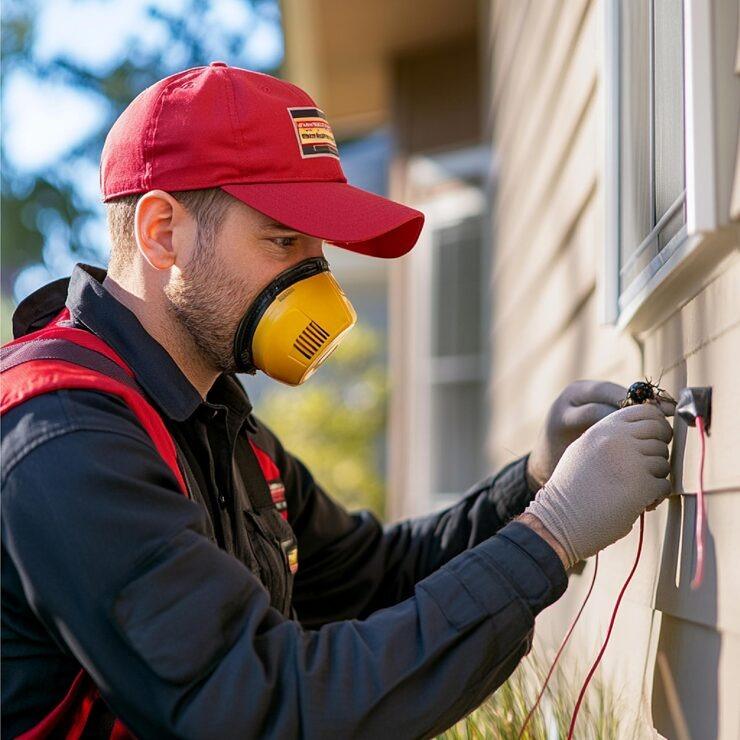

If you’ve lived here more than a year, you already know. Brooklyn buildings are old, weird, and full of surprises. Finding a good Brooklyn electrician isn’t like hiring someone in a new suburban subdivision where everything’s built to the same code and the same plan. Here you open a wall and find three generations of work stacked on top of each other. Cloth-wrapped wire from the twenties. A random junction box somebody buried behind plaster in 1974. Aluminum branch circuits from the seventies that nobody labeled. It’s a mess sometimes.
And that’s the point. The person you call needs to have seen this stuff before, a lot, not just read about it. Brownstones in Park Slope, prewar co-ops in Flatbush, converted factory lofts in Williamsburg, two-family houses in Bay Ridge. Every one of them has its own habits. A tradesperson who’s worked these blocks for years knows where the previous guy cut corners, and honestly, he can usually guess before he even opens the panel. That experience is what you’re paying for. Not just the hour on the clock.
What “Licensed” Actually Means in New York City
People throw the word around like it’s a sticker you can buy online. It isn’t. In New York City, electrical work has to be done by or under a master electrician who holds a license through the city, and that license comes with real requirements, experience hours, an exam, insurance, the whole deal. When you’re looking for a licensed electrician Brooklyn homeowners and landlords can trust, this is the first box to check.
Ask for the license number. Seriously, just ask. A real one will hand it over without blinking, and you can look it up through the Department of Buildings yourself in a couple minutes. If somebody gets weird or vague, or tells you their cousin “does it under his license,” walk away. That setup causes problems later, mostly with insurance claims and failed inspections. I’ve heard it plenty. Somebody saves four hundred bucks on a panel swap, then a sale falls through because the work was never filed. Not worth it.
Signs You Shouldn’t Wait to Call Someone
Some electrical stuff can sit for a week. Some can’t. Knowing the difference matters, and most people guess wrong because they get used to their own house’s quirks. Lights that dim when the fridge kicks on? Annoying, probably fixable soon. Breaker that trips every couple of days? Same. But a burning smell near an outlet, warm switch plates, a buzzing panel, sparks, that crackling sound behind a wall, none of that waits for your schedule.
Outlets that feel hot are a big one. So are scorch marks, even tiny ones. If you smell something like hot plastic and can’t find the source, shut off the circuit if you can do it safely and call somebody the same day. Older Brooklyn buildings have a lot of overloaded circuits because apartments got chopped up and re-wired for modern life, with window ACs, space heaters, and a dozen chargers, on wiring that was meant for a couple of lamps and a radio. It adds up. Fire departments see this stuff every winter.
Common Jobs a Brooklyn Electrician Handles Every Week
The calls aren’t glamorous, mostly. Panel upgrades come up constantly, because a lot of buildings still run on sixty or a hundred amp service and people want to add central air or an induction stove. Then there’s grounding. A shocking number of older apartments have two-prong outlets that nobody ever replaced properly, or three-prong ones that aren’t actually grounded at all, somebody just swapped the face and called it done.
Add to that the usual list. Recessed lighting in a renovated kitchen, new circuits for a home office, EV charger installs, smoke and carbon monoxide detector hardwiring, GFCI protection around sinks, exterior lighting for a backyard that suddenly became the main living space in summer. Landlords call for violations, tenants call for dead outlets, and contractors call when the drywall guys hit something they shouldn’t have. A busy shop handles all of it in the same week, and the good ones explain what they’re doing as they go, without making you feel dumb for asking.
Permits, Inspections, and the Paperwork Nobody Likes
Okay, this is the boring part. But skip it and you’ll regret it. In the city, a lot of electrical work needs a permit filed, and many jobs need an inspection afterward. A proper contractor handles that for you. The filing, the scheduling, the sign-off. If someone tells you permits are “optional” or that they’ll “take care of it later,” that’s your cue to look elsewhere.
Why care? Because unpermitted work follows the property. When you sell, refinance, or file an insurance claim after a fire, someone eventually asks for paperwork. Co-op boards ask too, sometimes before you even start a renovation, and some require their own approved contractors. Check with your building before you hire anyone, because the board might have rules about who can touch the risers and common systems. It’s an extra phone call. It can save you weeks.
How Much Should You Expect to Pay?
Everybody wants a number, and nobody likes the honest answer, which is “it depends.” Brooklyn isn’t cheap. Labor rates reflect insurance, licensing, parking tickets, and the simple reality that working in a fifth-floor walkup with no elevator takes longer than a ranch house in Ohio. Small repairs, like replacing a few outlets or a dead switch, usually run a modest service fee plus time. Bigger work, like a panel swap or rewiring a floor, gets quoted by the job and varies a lot.
Get a written estimate. Two, if the job is big. Don’t just pick the lowest, though, because a bid that’s way under everybody else’s usually means something got left out, or the person plans to make it up with change orders once the walls are open. Ask what’s included. Ask about permits, patching, cleanup, warranty. A fair quote makes those answers easy. Cheap and vague is how people end up paying twice.
Questions to Ask Before You Hire Anyone
Don’t overthink it. A handful of plain questions tells you most of what you need. Are you licensed and insured, and can I see proof? Who actually shows up, you or a helper, and is that person supervised? Do you pull permits? How long have you worked in Brooklyn, and have you done my type of building before? What happens if something goes wrong after you leave?
Listen to how they answer, not only what they say. Someone confident and experienced will give you straight, slightly boring answers. Someone shaky will talk in circles or get defensive. Also look at reviews, but read the middle ones, the three and four star ones, where people describe real details. Anybody can collect five stars from friends. Ask neighbors too. In this borough, word of mouth still beats nearly everything, and a recommendation from the guy two doors down who just did a gut renovation is worth more than any ad.
Planning Ahead Instead of Waiting for an Emergency
Here’s the thing most people learn the hard way. The best time to find an electrician is when nothing’s broken. When the power’s out at 11 PM and you’re scrolling your phone with 8% battery, you’ll hire whoever picks up first, and that’s rarely your smartest decision. So do it now. Have an inspection done, especially if you bought an older place and never really looked at the panel.
A basic check can catch loose connections, outdated breakers, missing GFCIs, overloaded circuits, and anything that’s quietly turning into a hazard. Think about what you want to add in the next couple of years too, whether that’s an EV charger, a heat pump, a finished basement, a rooftop deck with lighting. Doing it all with a plan costs less than doing it piecemeal. And once you’ve found someone you trust, keep their number. Honestly, that relationship is worth more than any single repair.
Conclusion
Hiring for electrical work in this borough doesn’t have to be stressful, but it does take a few minutes of homework. Check the license, ask about permits, get it in writing, and pick someone who understands how old Brooklyn buildings really behave behind the walls. Don’t chase the cheapest bid, and don’t wait for a spark to start looking. Whether it’s a quick outlet fix or a full panel upgrade, working with a licensed electrician Brooklyn property owners already recommend to each other is the safest bet for your home, your family, and your wallet. Make the call before you need it. You’ll thank yourself later.
FAQs
How do I know if a Brooklyn electrician is actually licensed?
Ask for their master electrician license number and check it through the NYC Department of Buildings. It takes a few minutes. A legit contractor won’t mind, and if they dodge the question, treat that as your answer.
How much does it cost to hire a licensed electrician in Brooklyn?
It varies by job. Small repairs are usually a service call plus labor, while panel upgrades and rewiring get quoted per project. Get a written estimate that lists permits, materials, and cleanup so you can compare fairly.
Do I need a permit for electrical work in Brooklyn?
Often, yes. Many jobs need a filing and an inspection, and your contractor should handle it. Unpermitted work can cause trouble when you sell, refinance, or make an insurance claim.
Can an electrician in Brooklyn fix old knob and tube or cloth-wrapped wiring?
They can evaluate it and recommend repair or replacement. In many older buildings, partial or full rewiring is the safer route, especially if you’re adding modern appliances or heavy loads.
When should I call a Brooklyn electrician as an emergency?
Burning smells, sparks, hot outlets, a buzzing panel, or breakers that won’t reset all count. Shut off power to the affected area if it’s safe to do so and call right away. Don’t wait it out.
How do I find a licensed electrician in Brooklyn I can trust long term?
Ask neighbors, check your building’s rules, read the mid-range reviews, and ask direct questions about licensing, insurance, and permits. Then keep that number handy for future work.