
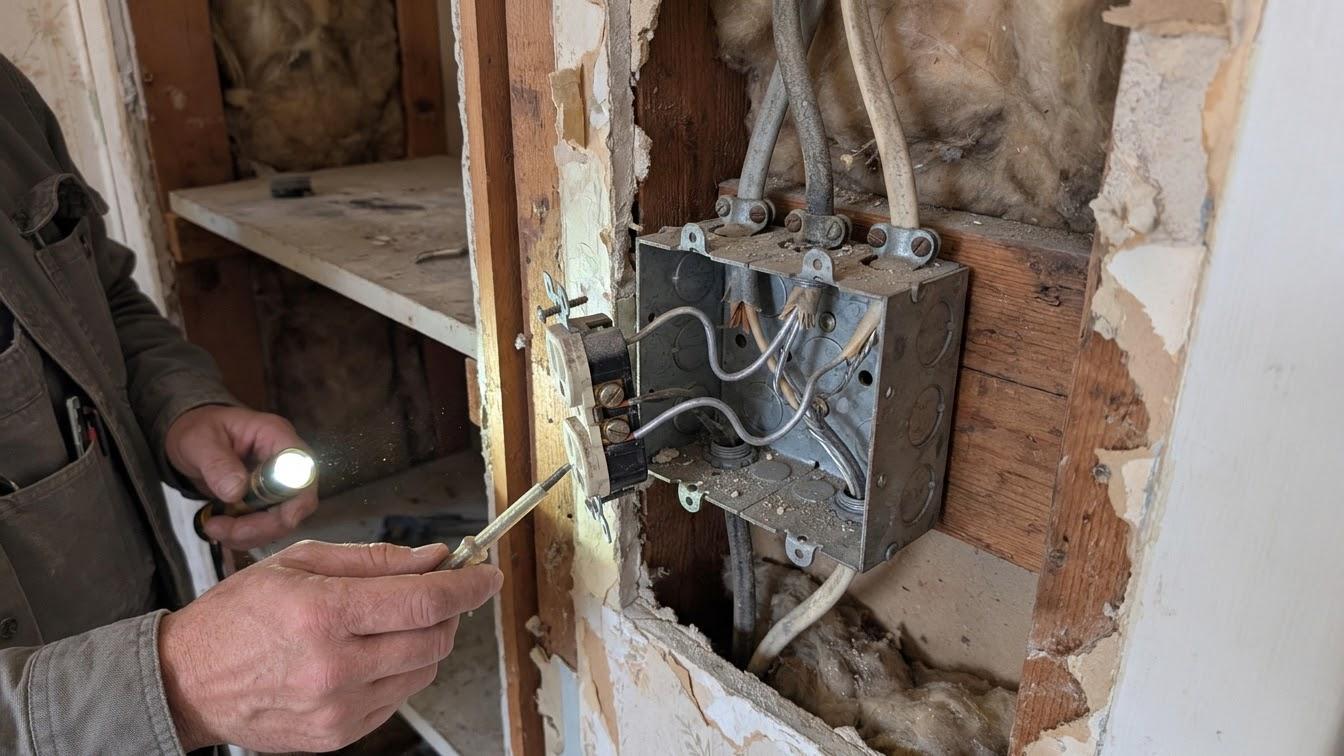

A homeowner preparing to replace several light switches discovers that the house contains aluminum wiring. The inspection report mentions older branch circuits, but the lights and outlets appear to operate normally. The homeowner wonders whether the entire electrical system must be replaced or whether the existing wiring can remain.
Some homes built or remodeled during the 1960s and 1970s used solid aluminum conductors for certain branch circuits. Aluminum is an electrical conductor, but older solid aluminum wiring and its connections can present particular concerns. The correct response depends on the actual wiring type, condition, and compatibility of the connected devices.
Why Was Aluminum Used in Residential Wiring?
Aluminum has long been used in electrical applications because it conducts electricity and is lighter than copper. During certain periods of residential construction, solid aluminum branch-circuit wiring was used as an alternative to copper conductors.
However, not all aluminum electrical wiring is the same. Modern aluminum conductors used in appropriate service and feeder applications differ in characteristics and installation requirements from some older solid aluminum branch-circuit systems. The homeowner should not assume that every aluminum conductor represents the same safety concern. A qualified electrician must identify the actual installation.
What Makes Older Aluminum Connections Important?
Electrical connections depend on suitable contact between conductors and terminals. Aluminum and copper have different physical characteristics, including thermal expansion and surface oxidation behavior. In some older aluminum branch-circuit installations, unsuitable connection methods have contributed to overheating and other problems.
However, the presence of aluminum wiring does not establish that a particular connection has already failed. The concern is whether the wiring, devices, and connection methods remain appropriate for the installation. An electrician experienced with these systems should evaluate the actual components rather than diagnose the house from its construction year alone.
Why Device Compatibility Matters
Switches, receptacles, and connectors are designed and listed for particular conductor materials and installation conditions. A device intended only for copper wiring should not automatically be connected to aluminum conductors.
Using incompatible terminals or connectors can contribute to unreliable electrical contact and heating. However, replacing the visible receptacle with any product labeled for aluminum wiring is not necessarily a complete remediation strategy for older branch circuits. The appropriate approach must reflect recognized methods, the actual conductor condition, and applicable requirements.
Can Aluminum Wiring Be Repaired Without Rewiring the Entire House?
Some older aluminum wiring installations may be candidates for appropriate remediation of connections rather than complete cable replacement. The suitability depends on the wiring, accessibility, damage, and the repair methods available.
However, ordinary twist-on connectors or improvised copper pigtails should not be assumed acceptable. The U.S. Consumer Product Safety Commission has published guidance addressing hazards associated with older aluminum branch-circuit wiring and recognized permanent repair approaches. Homeowners should seek qualified assessment rather than attempt these repairs independently.
What Warning Signs Need Attention?
Warning signs can include overheated receptacles, discolored wall plates, unusual odors, flickering lights, or intermittent power. These conditions can occur in many wiring systems, so they do not independently prove that aluminum connections are responsible.
However, such symptoms warrant prompt qualified inspection regardless of conductor material. Electrical faults may exist without visible warning signs, too. A homeowner should not open outlets or switches to inspect aluminum conductors while the circuit is energized. Evaluation should follow appropriate electrical safety procedures.
How Does Rewiring Compare With Connection Remediation?
Complete rewiring replaces existing conductors through suitable routes and may involve opening finished walls or ceilings. This can address wiring conditions more comprehensively but usually requires more construction work.
Connection remediation may involve a different scope when an approved permanent method is appropriate. The electrician should explain what each option corrects, which portions of the system are included, and what remains unchanged. A recommendation should be based on inspected conditions rather than a blanket statement that every older house needs complete rewiring.
What Should Homeowners Ask Before Approving Work?
Ask the electrician to identify the conductor material, affected circuits, observed connection conditions, and proposed correction method. The estimate should distinguish inspection, repairs, device replacement, and any new wiring.
Professional Wiring and Rewiring should follow the actual condition of the existing installation and applicable electrical requirements. When older solid aluminum branch circuits are involved, homeowners should confirm that the contractor has experience with the relevant recognized remediation methods.
Conclusion
Older aluminum branch-circuit wiring requires careful evaluation because connection compatibility and installation practices can affect long-term safety. The presence of aluminum alone does not establish which corrective work is necessary.
Understanding aluminum wiring helps explain the history and technical concerns associated with certain residential circuits. A qualified assessment helps distinguish localized remediation from broader rewiring needs.